

Micronutrients: The Invisible Building Blocks of Healthy Ageing

Share
The Hidden Architecture of Ageing Well
We spend a lot of time thinking about the big nutritional pillars — protein for strength, healthy fats for hormones, carbohydrates for fuel. But beneath the surface lies an entire microscopic world that shapes how we age: micronutrients.
Vitamins and minerals don’t often get the spotlight, yet they influence our energy levels, cognitive clarity, immune resilience, skin integrity, and overall vitality. And unlike macronutrients, where short-term fluctuations are usually manageable, micronutrient gaps can accumulate silently over years.
For example, according to the National Institutes of Health, approximately 3.6% of adults have a vitamin B12 deficiency, and around 12.5% have low or borderline levels that could affect long-term health. Meanwhile, global estimates suggest that around 17% of the world’s population is at risk of inadequate zinc intake, which can impact immune and cognitive processes.
Micronutrients may be invisible, but their impact is undeniable — especially as we age.
This article explores why micronutrients matter, what deficiency looks like, and how to incorporate them into a modern, balanced wellness ritual.
What Are Micronutrients and Why Do They Matter?
Micronutrients are vitamins and minerals required in small amounts yet crucial for normal physiological function. They support processes such as:
- energy metabolism
- nerve communication
- immune response
- skin structure and repair
- DNA synthesis
- red blood cell formation
- hormonal balance
Unlike macronutrients (protein, fat, carbohydrates), these small compounds don’t provide calories — but they help unlock the pathways that keep the body functioning efficiently.
Healthy ageing is not just about avoiding decline — it’s about supporting cellular processes so they continue to perform optimally throughout life.
The Silent Rise of Micronutrient Gaps
Modern lifestyles create the perfect storm for subtle deficiencies:
- Highly processed diets
- Stress-induced nutrient depletion
- Limited sun exposure (vitamin D)
- Reduced absorption with age
- Soil depletion is affecting food nutrient density
- Restrictive eating patterns
- Busy lifestyles leading to grab-and-go meals
Many gaps go unnoticed because symptoms appear gradually — reduced energy, difficulty concentrating, sensitivity to stress, or changes in skin appearance.
Micronutrient imbalances rarely cause immediate problems. Instead, they influence how well we feel, how quickly we recover, and how effectively our bodies adapt as years pass.
How Micronutrients Influence Healthy Ageing
Below are the key systems influenced by vitamins and minerals — and why they matter for longevity and wellbeing.
1. Energy: The Foundation of an Active Life
Every cell depends on micronutrients to generate energy.
Key nutrients:
- Vitamin B12 — contributes to normal energy-yielding metabolism and psychological function
- Vitamin B5 (pantothenic acid) — supports normal mental performance
- Zinc — contributes to normal carbohydrate, protein, and fat metabolism
Low levels don’t cause dramatic crashes, but they do contribute to that subtle, persistent tiredness many people accept as normal with ageing.
DIRTEA includes B vitamins in some of their powders and gummies because they synergise with functional mushrooms to support balanced daily energy.
2. Cognition: Staying Clear, Focused and Adaptable
Cognitive wellbeing is heavily influenced by micronutrients involved in nerve signalling and brain metabolism.
- Zinc contributes to normal cognitive function
- B12 supports the nervous system
- B vitamins help reduce tiredness and fatigue, indirectly supporting focus
As people age, absorption of certain nutrients — particularly B12 — naturally becomes less efficient. This makes it even more important to maintain consistent intake.
Functional mushrooms like Lion’s Mane are often used in rituals supporting calm focus, and when paired with nutrients like zinc, they create a more holistic approach to cognitive wellbeing.
3. Skin Health: Ageing Gracefully from Within
Skin ageing is an interplay of genetics, lifestyle and environmental exposure. Micronutrients help support the maintenance and repair processes that keep the skin looking and feeling healthy.
- Vitamin C supports collagen formation
- Zinc contributes to normal skin, hair and nails
- Biotin plays a role in skin integrity
Tremella — known as the “beauty mushroom” — and at DIRTEA, it is paired with micronutrients for inside-out hydration rituals.
4. Immunity: The Shield That Weakens Over Time
Micronutrients are central to the normal function of the immune system.
- Vitamin B12 contributes to normal red blood cell formation
- Zinc supports normal immune function
- Vitamin C helps protect cells from oxidative stress
Chaga, Reishi, and Cordyceps are widely integrated into daily wellness rituals for people who want to support their natural defences, especially when combined with essential vitamins.
5. Vitality and Longevity: The Long-Term View
Healthy ageing is not about chasing youth — it’s about supporting the biological processes that keep us energised, mobile, mentally sharp and emotionally balanced.
Micronutrients play a role in:
- maintaining normal hormonal activity
- supporting cell repair
- assisting enzyme function
- supporting the nervous system
- protecting cells from oxidative damage
Small deficits over decades can influence how quickly or slowly these systems adapt.
Why Deficiencies Are More Common Than We Think
Micronutrient deficiencies often arise from three overlapping factors:
1. Reduced Absorption with Age
The body becomes less efficient at absorbing nutrients such as B12 and iron over time, meaning intake must be adequate or even increased.
2. Modern Dietary Patterns
Convenience foods, reduced cooking time, and reliance on ultra-processed meals lower micronutrient density.
3. Lifestyle Stressors
Chronic stress increases the body’s metabolic demand and may influence nutrient utilisation.
DIRTEA’s products, enriched with B vitamins and zinc, are designed to complement a balanced diet and offer a simple way to support micronutrient intake through daily rituals.
Functional Mushrooms and Micronutrients: A Modern Wellness Synergy
DIRTEA’s approach bridges traditional mushroom rituals with scientifically recognised micronutrients.
For example:
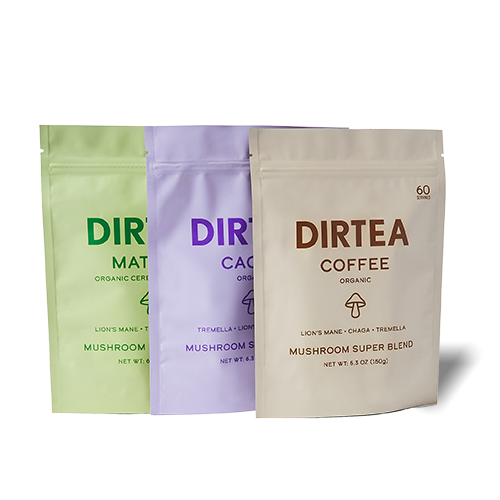
- Reishi Calm Powder contains organic vitamin B12
- Lion’s Mane Focus Powder contains organic zinc
- Chaga and Cordyceps Powders include organic vitamin B12
- Focus Gummies include B5 and B12
- Beauty Gummies include biotin, selenium, zinc, vitamins A and E
This combination supports energy, focus, immunity, and skin wellbeing — not through health claims, but through nutrient contribution to normal bodily function.
A Daily Ritual to Support Micronutrient Balance
Healthy ageing isn’t about perfection — it’s about nourishment, ritual and consistency. DIRTEA’s mushroom powders and vitamin-enriched blends make it simple to support your micronutrient intake while enjoying grounding daily rituals that help you feel more balanced, focused and energised.
Explore the DIRTEA range and discover how small, consistent micronutrient support can become a nourishing part of your long-term wellbeing ritual.
FAQs
What are micronutrients?
Micronutrients are vitamins and minerals required in small amounts that support normal physiological functions such as energy metabolism, immunity and cognitive health.
Why are micronutrient deficiencies common?
Busy lifestyles, dietary patterns, stress and natural age-related changes in absorption all contribute to subtle deficiencies.
How do B vitamins support healthy ageing?
B vitamins contribute to normal energy metabolism, psychological function and reduction of tiredness — all important factors for ageing well.
Why combine mushrooms with vitamins?
DIRTEA adds select vitamins like B12, B5, zinc and biotin to align ancient mushroom rituals with modern nutritional science.
Can micronutrient gaps affect how we feel day-to-day?
While they are not medical conditions, low or insufficient levels of certain micronutrients can influence factors like energy, focus and skin appearance over time.
References (APA Style)
National Institutes of Health, Office of Dietary Supplements. (2025). Vitamin B12: Health professional fact sheet. https://ods.od.nih.gov/factsheets/VitaminB12-HealthProfessional/
Wessells, K. R., & Brown, K. H. (2012). Estimating the global prevalence of zinc deficiency: Results based on zinc availability in national food supplies and the prevalence of stunting. PLoS ONE, 7(11), e50568. https://doi.org/10.1371/journal.pone.0050568